At Acme Online, we’re here to help you get the most out of your tires. Staying on top of regular tire maintenance is key to safety, performance, and long-term value.
Your tires play a critical role in how your vehicle handles, stops, and rides. Proper maintenance not only keeps you safe but also helps extend the life of your tires. Here’s how you can protect your investment:
TIRE CARE TIPS
Use the following tips to help you stay on top of tire maintenance:
- Consistently check your tire pressure to maintain proper inflation levels. Properly inflated tires not only improve your vehicle’s safety by enhancing braking and handling, but they also maximize tread life and increase fuel efficiency. Driving on underinflated tires can cause excess heat buildup, leading to uneven tire wear and serious structural problems such as blowouts or tread separation. Overinflated tires, on the other hand, may reduce traction and cause premature wear in the center of the tread. Regular pressure checks help you avoid these costly issues and keep your ride smooth and safe.
- Follow a regular tire rotation schedule based on your vehicle manufacturer’s recommendations. Tire rotation involves moving tires from one position to another—usually front to back and side to side—to ensure even wear across all tires. Uneven tire wear can reduce performance, cause vibration, and shorten the life of your tires. Although rotating your tires doesn’t fix problems caused by worn suspension or alignment issues, it is a key maintenance practice that helps maintain consistent tread wear and improves overall vehicle handling and safety.
- Balance your tires whenever necessary to ensure a smooth, vibration-free ride. Unbalanced tires can cause noticeable bumps or vibrations, especially at highway speeds, which not only affect comfort but can also lead to premature wear on your tires, suspension, and steering components. Tire balancing is essential when installing new tires and should also be performed any time tires are remounted or repaired.
- When it’s time to replace tires, always install them in pairs or sets rather than individually. Adding just one new tire to a set of worn tires can create handling instability, especially on wet or slippery roads. For optimal safety and performance, it’s recommended to install two new tires on the rear axle and move the less worn tires to the front. This helps maintain proper traction and prevents oversteering or understeering during sudden maneuvers or adverse weather conditions.
- Store your tires correctly when they are not in use to prevent premature aging and damage. Tires should be kept in a cool, dry, and dark environment away from direct sunlight, which can degrade the rubber compounds over time. Avoid storing tires near ozone-producing electrical equipment, solvents, oils, grease, or any chemicals that can deteriorate the tire material. Proper storage helps preserve the tires’ structural integrity and ensures they remain safe to use when you need them again.
- Regularly inspect your tires for any signs of damage or abnormal wear patterns. This includes checking for punctures, embedded nails or debris, cracks in the sidewalls, bulges, and uneven tread wear. Early detection of tire issues can prevent blowouts or loss of control on the road and save you from costly repairs or replacements down the line.
- Always maintain a properly inflated and ready-to-use spare tire. Having a reliable spare tire that is fully inflated and in good condition can be a lifesaver in case of an unexpected flat or blowout, ensuring you can get back on the road safely without delay.
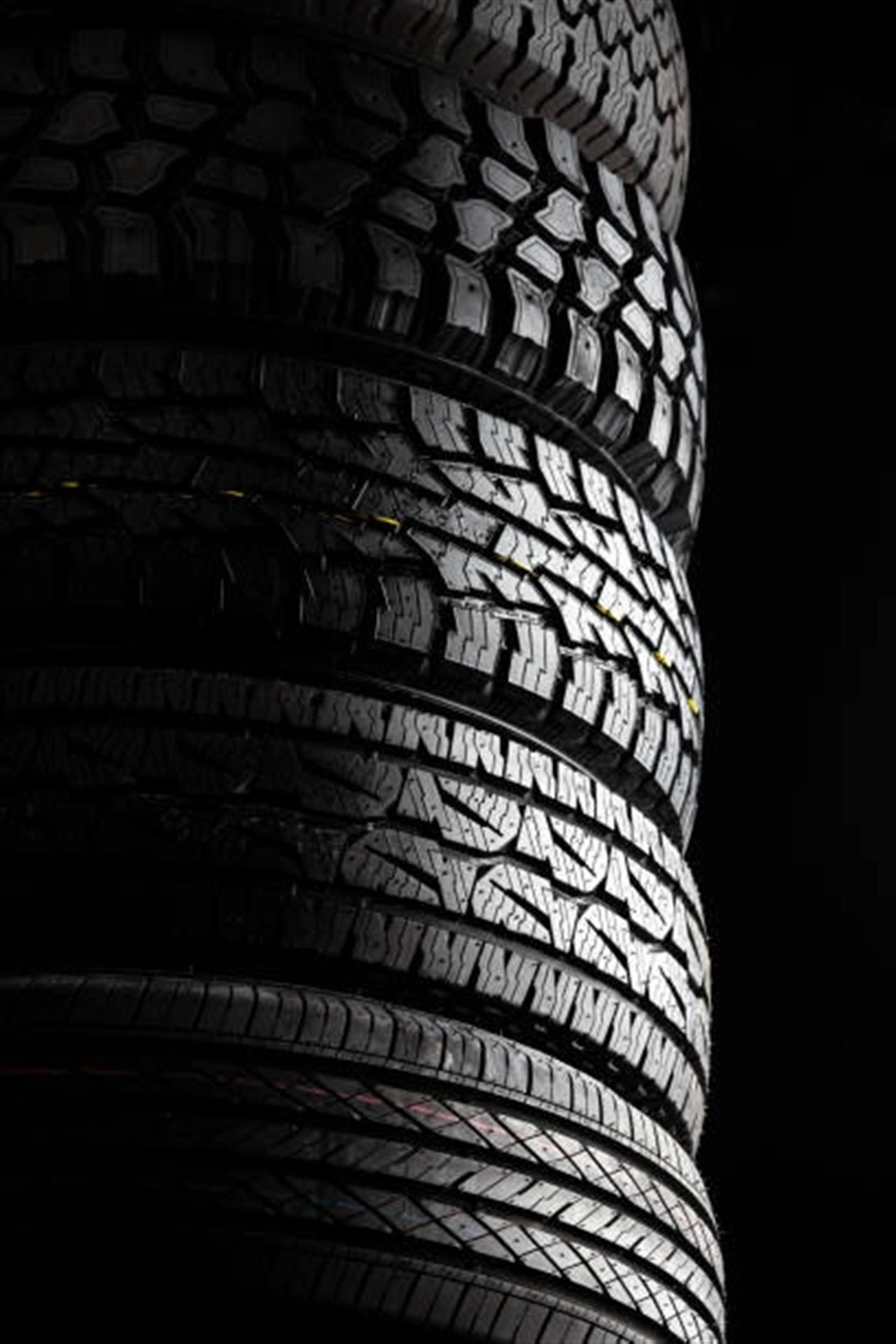
Protect Your Investment with Proper Tire Maintenance
When servicing your tires, keep these tips in mind. The Rubber Manufacturers Association (RMA) recommends spending at least five minutes each month inspecting your tires for pressure, tread depth, and overall condition. Additionally, mechanical issues such as wheel misalignment, suspension problems, or worn brake components can cause uneven tire wear and should be addressed promptly to maximize both tire life and vehicle performance.By properly maintaining your tires, you ensure safer travels under all conditions, improve your vehicle’s fuel efficiency, and extend the lifespan of your tires—benefits that also help reduce environmental impact.
Visit us today or contact us online for expert tire services and any other automotive needs!